Review: Cute Tiger Applique Embroidery
First Impression: What Stops the Booth Browsers
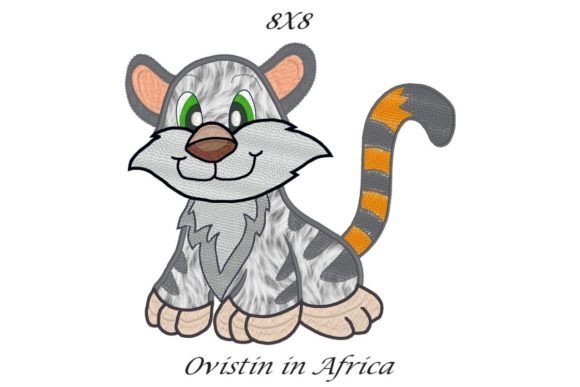
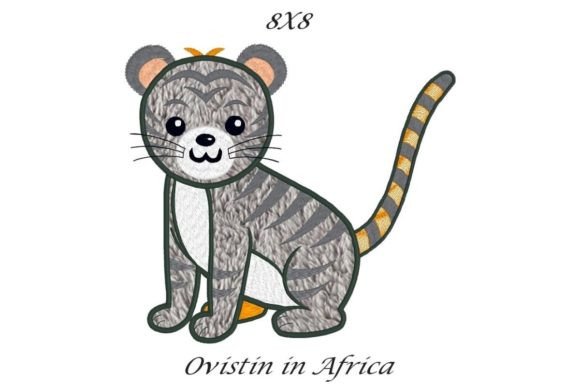
When I first loaded the Cute Tiger Applique Embroidery into my software, I immediately smiled. This isn’t a realistic, fierce jungle predator. It’s a soft, charming, and deliberately endearing design that leans into the same cozy, emotional appeal that sells handmade plushies and nursery decor. The appliqué element adds a layer of tactile dimension that you simply cannot get from a fill-stitch-only approach. In a craft fair setting, that texture is a secret weapon. Customers reach out to touch the fabric—and once they touch, they’re far more likely to buy.
The design feels playful, modern, and slightly whimsical, landing somewhere between a children’s book illustration and a boutique apparel accent. It’s not rustic or farmhouse, and it’s not overly elegant. Instead, it occupies that sweet spot of cute that appeals to gift buyers, parents, pet lovers, and anyone who appreciates a lighthearted handmade touch. As a designer preparing for a weekend market, I’m already picturing this stitched on a soft sage green tote bag or a tiny pocket on a child’s apron.
Where This Design Shines Brightest
After running a few test stitches, I’m confident the Cute Tiger Applique Embroidery will perform best on products that benefit from a focal point of charm. Here’s where I see the strongest booth appeal:
- Tote bags – The flat, generous surface lets the appliqué lie perfectly. A natural linen or canvas tote with this tiger becomes a gift-ready item in seconds.
- Children’s aprons – A small, centered placement on a bib apron turns a simple kitchen helper accessory into a personalized keepsake.
- Pillow covers – A single, prominent tiger on a 16x16 or 18x18 cover creates a throw pillow that feels like a boutique find. Mix and match with solid textured pillows for a strong booth display.
- Tea towels – The appliqué gives a subtle, handcrafted pop on a corner or along the hem. It’s an ideal quick-sell item, especially when bundled with coordinating kitchen goods.
- Fabric pouches – Small zipper pouches with this tiger on the front become impulse buys near the register. They photograph beautifully for Etsy listings, too.
Because the design is decorative and not overly detailed, it also works well as an embroidered patch if you adjust the edge finish. A standalone patch with a heat-seal backing slips into the “giftable tiny things” category that always sells well at craft fairs.
Practical Production: What You Need to Know Before You Stitch
As a small shop owner, I’m always thinking about how quickly and cleanly I can reproduce a design for batch production. The Cute Tiger Applique Embroidery presents a few key production points that will affect your workflow.
First, the appliqué means you’ll need to factor in fabric placement, trimming, and possibly a tack-down stitch. That’s a bit more hands-on than a purely stitched design, but the payoff in visual impact is enormous. I strongly recommend testing on scrap fabric before committing to a full run of ten tote bags. You want to be sure the placement stitch is clear and easy to follow, and that the fabric you’ve chosen for the appliqué won’t fray or shift during the final border stitch.
Pay close attention to stitch density. The description suggests a charming, decorative finish, which often means some satin borders or small facial details. If the design has tiny eyes or whiskers, check that they don’t become distorted on textured towels or loosely woven linen. A dense satin stitch on a tiny detail can perforate lightweight fabric, so test on the exact material you plan to sell.
I also advise reviewing the hoop size needed. The product listing should specify the dimensions. If the tiger is on the larger side, it may limit your ability to stitch on curved surfaces like caps or small pouches unless you scale it down. Scaling can alter stitch density and appliqué proportions, so always run a test stitch at the intended size. If you plan to offer this on baby onesies or infant tees, confirm the design scales cleanly without losing the cuteness of the face.
Display and Visual Impact: How to Grab Attention
At a craft fair, your booth has about three seconds to stop a passerby. The Cute Tiger Applique Embroidery is a natural attention-grabber because of the appliqué texture and the high-contrast potential. I’d recommend stitching this on a solid, slightly muted background color so the tiger pops. Think soft mustard, dusty pink, warm gray, or natural cream. Avoid busy prints behind the tiger; let the design be the star.
For your booth sample, create one oversized version on a large market bag or a canvas wall hanging. Hang it at eye level. Customers will notice the dimensional appliqué from across the aisle, and that curiosity will draw them into your table. Then, place smaller items like patches, pouches, and tea towels in baskets nearby. The visual consistency—same tiger, different products—builds a cohesive brand feel that encourages multiple purchases.
Online, this design will photograph like a dream. The slight shadow under the appliqué fabric adds depth in flat-lay images. Use a printable mockup for your Etsy listing to show the tiger on a tote bag or pillow, and include a close-up that reveals the edge stitching. Buyers respond to texture, and even a well-lit photo of real thread and fabric conveys handmade quality instantly.
Careful-Use Notes for Real-World Selling
While the Cute Tiger Applique Embroidery is broadly appealing, I’ve learned to consider a few delicate points before committing to a full product line. These observations come from direct experience selling at outdoor markets and boutiques.
- Dense stitch areas – If the tiger’s face uses multiple layers of satin or fill stitches, test on a medium-weight fabric. Too thick a material plus dense stitching can make the needle struggle. Use a sharp needle and consider a cutaway stabilizer for stability.
- Tiny details – Small eyes, nose, or mouth lines may lose clarity on textured towels or fleece. If the design includes very fine lettering (unlikely from the description, but always check), it may not read well from a distance. At a craft fair, details must be legible at arm’s length.
- Curved surfaces – If you plan to stitch this on a cap, remember the appliqué fabric needs to conform smoothly. Not all cap frames handle appliqué well, and the design may pucker near the center seam. Test on a blank cap before committing to inventory.
- Dark fabrics – If the tiger is composed of lighter thread colors, they may struggle to pop on a black or navy background. The appliqué fabric itself can provide contrast, but the edge stitching might blend in. Consider a lighter bobbin thread or a contrasting outline to ensure the design stays crisp.
Batch production is where small quirks become time sinks. I always time myself on the first three stitches. With an appliqué, trimming the fabric neatly around the tack-down stitch is the step that can slow you down. If you’re planning to make 20 tea towels for a weekend market, practice the trimming process until it’s fluid. A clean, even edge makes the finished product look professional, while a ragged one screams rushed handmade.
Customer Appeal and Selling Psychology
Why do buyers pick up an item with a tiger? In my experience, there’s an emotional hook. The Cute Tiger Applique Embroidery taps into warmth, nostalgia, and a touch of wildness made safe. It’s perfect for the “I didn’t know I needed this” impulse buy. A customer who isn’t specifically looking for a tiger may still buy a pouch because it makes them smile. That’s the power of a well-chosen animal motif in a Wild Animals category.
For handmade shop owners, this design offers versatility. It’s gender-neutral enough for baby gifts, playful enough for a market bag, and sweet enough for a kitchen towel. I’d position it as a “cheerful companion” for everyday items. When a customer sees the tiger on a pillow, they imagine it in a child’s reading nook or on a cozy window seat. That mental placement is a huge driver of sales.
From a branding perspective, the Cute Tiger Applique Embroidery can become a signature motif. Use it consistently across your product line, and repeat customers will start recognizing your booth from a distance. The appliqué technique adds a perceived value bump; customers often assume an appliqué piece took more skill and time, and they’re willing to pay a premium for that handcrafted feel.
Designer’s Pre-Production Checklist
Before you cut a single piece of fabric, here’s the checklist I run through for every new machine embroidery design I plan to turn into a craft fair product. For the Cute Tiger Applique Embroidery, these steps are non-negotiable:
- Test on scrap fabric – Use a similar weight and weave to your final product. Check for puckering, thread breaks, and registration issues.
- Check thread colors – The design may look different in real thread than on screen. Compare against your fabric choices and adjust if the contrast is too low.
- Review spacing – Look for any tiny gaps between the appliqué fabric and the border stitch. A small gap can expose the base fabric, ruining the clean finish.
- Confirm hoop size – Verify the stitched area fits your hoop with clearance. If the design is near the hoop edges, you may get registration shifts.
- Inspect stitch density – On a test stitch, feel the back. If it’s stiff and plastic-like, you may need to reduce density or change the underlay. Too much density on a towel will make it scratchy.
- Use the right stabilizer – For totes and towels, a cutaway stabilizer is safest. For pouches, a tear-away might work if the fabric is stable. Don’t skip this step; the appliqué adds extra weight and pull.
- Create at least one real mockup – A finished product photo in natural light sells the design better than any digital mockup. Use it for your Etsy listing and booth signage.
- Compare fabric colors – Stitch the tiger on three different background colors. Sometimes the cutest design falls flat on the wrong shade.
- Confirm commercial licensing – Before selling any finished products, ensure the embroidery file license allows commercial use. The product description should clarify this. If not, reach out to the designer directly.
I also recommend checking the specific file format you purchase. Not all digital embroidery files are compatible with every machine. Make sure the file type matches your equipment before you plan a production run. Since the product description doesn’t list exact formats, take a moment to verify that detail.
Final Thoughts from the Booth Table
As someone who spends weekends analyzing what sells and what gathers dust, I can say the Cute Tiger Applique Embroidery has strong potential for craft fair success. Its appliqué construction gives it a dimensional, handmade quality that photographs well and feels substantial in the customer’s hand. It’s not a design that will appeal to a minimalist or ultra-modern aesthetic, but for the cheerful, gift-driven market—especially parents, teachers, and animal lovers—it’s a winner.
I’d build a small collection around it: a tote, a tea towel, a patch, and a pillow cover. Display them together, and you create a story that invites purchase. The cuteness factor is genuine, not forced, and that authenticity translates into sales. Just remember to test thoroughly, respect the licensing, and let the texture do the talking. In a sea of printed goods, an embroidered appliqué still signals that someone made this with care.